We are FLUID
We help you design your future success.
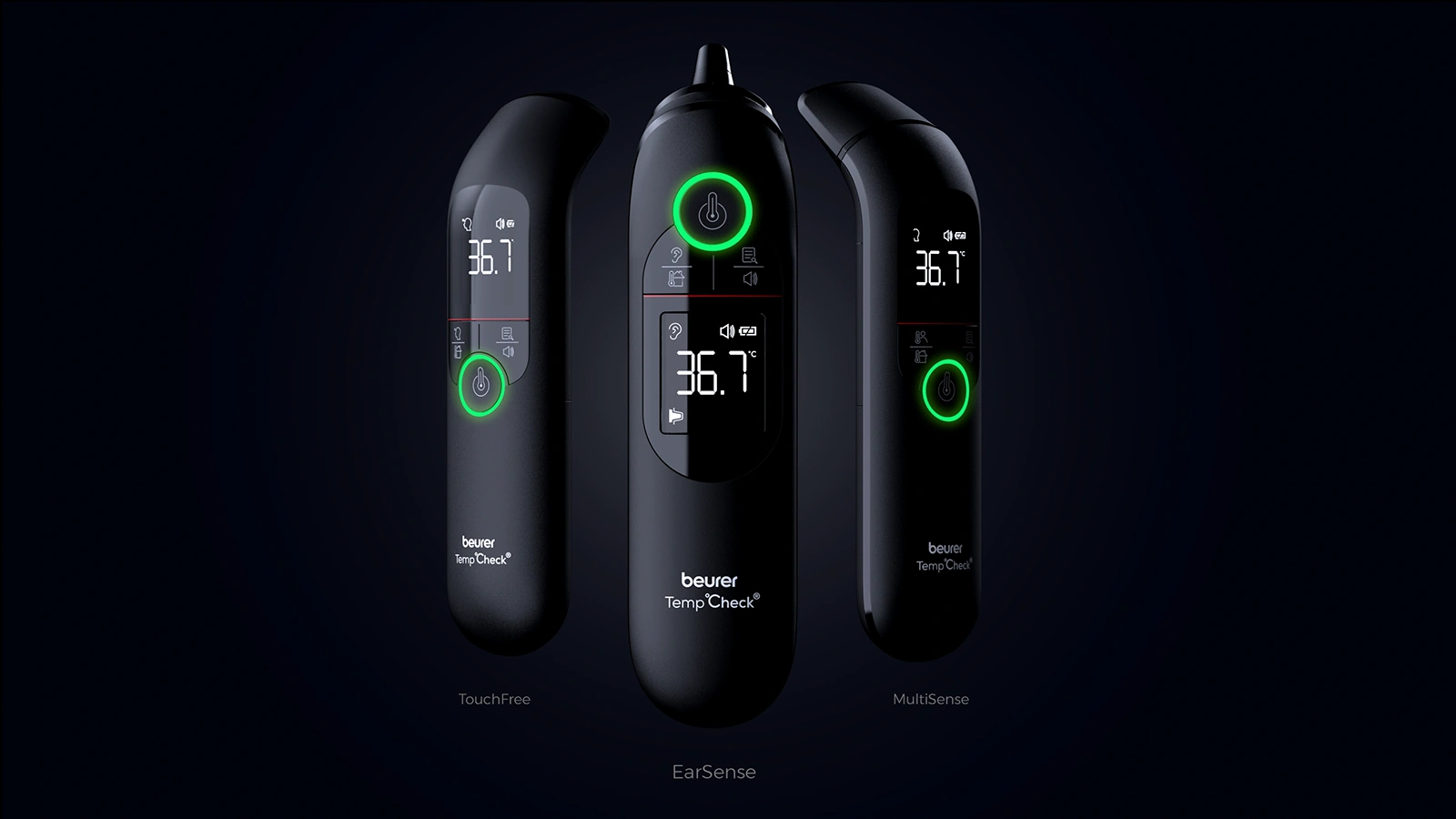
For over 15 years, we have designed digital platforms and physical products that make complex technology clear, intuitive, and accessible.
Designing the future of health and data platforms
Our latest work in UX/UI and industrial design
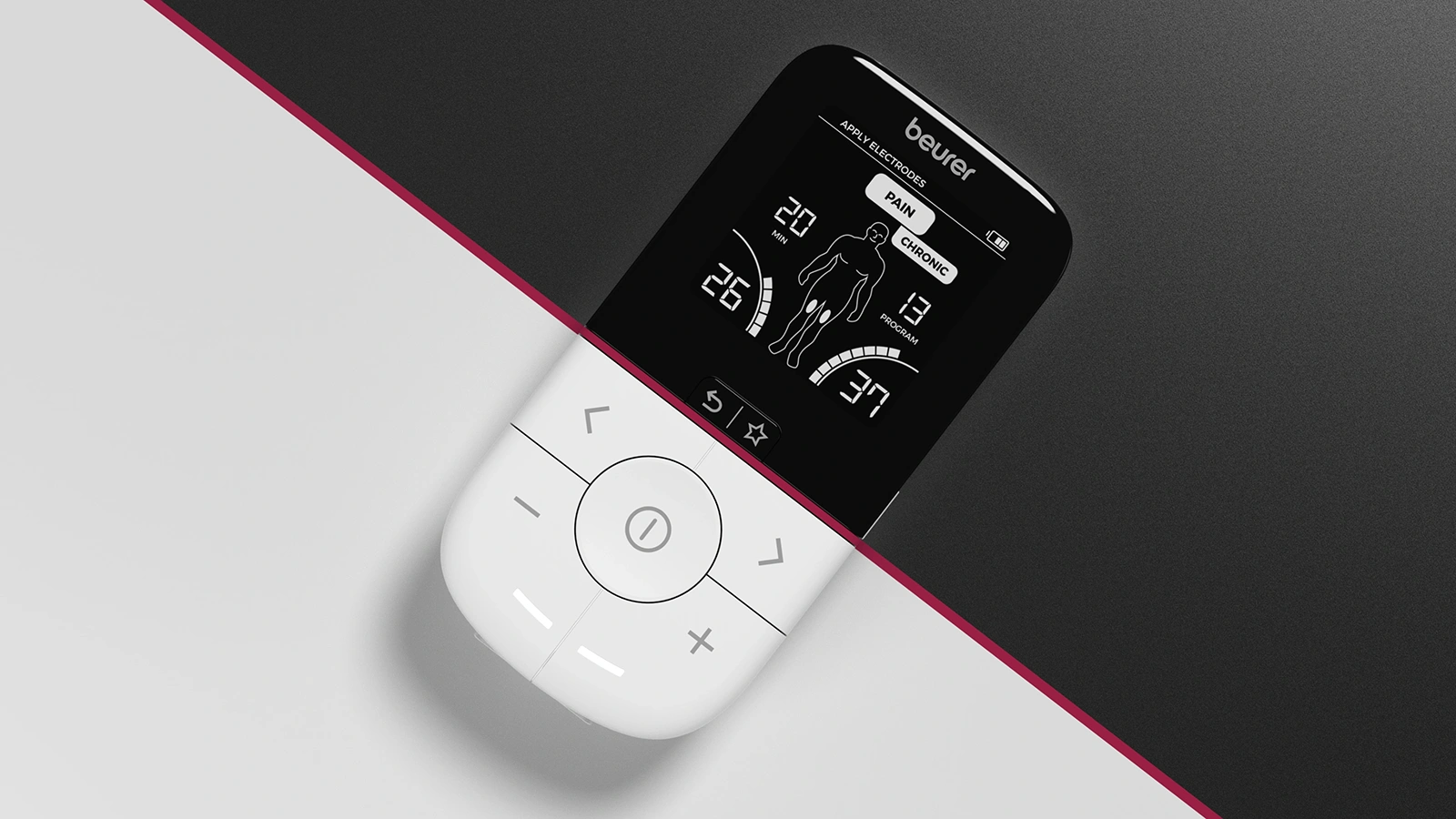


Industries we design for

Recent news
We love to celebrate with our clients.



.webp)


.webp)


What our clients say.
How we collaborate on UX/UI and industrial design
Orientation Through Design
Great design emerges from clarity. Our user experience design makes digital and physical systems comprehensible and consistent. Our competencies in UX/UI design and industrial design work hand in hand, supported by research.
With over 15 years of experience, we've developed complex systems for Siemens, Roche Diagnostics, and Bosch. Through founded UX design and UI design strategies, we help global enterprises and startups align technical requirements, user needs, and strategic goals into clear structures.
AI-powered design tools accelerate development cycles without losing the human, creative perspective.
Structure for Digital Systems
Complex systems become understandable when user perspectives, data flows, and technical requirements are considered together.
As an integrated UX/UI design agency, we combine UX design, UI design, user experience design, and industrial design with strategy and research. We design regulated health and medical technology MDR-compliant and strengthen usability through human factors engineering and usability engineering. In parallel, we develop data-driven platforms for Industry 4.0 as well as consumer products and IoT systems.
Modern AI technologies accelerate iterative processes and translate insights faster into robust design decisions. The result: solutions that precisely integrate function, aesthetics, and technological feasibility.
A Clear Design Process
Design is a holistic, iterative process that encompasses research, UX research, user experience design, UX design, UI design, and industrial design. In early project phases, we create orientation through design consulting and a clear design strategy before structuring content and translating it into precise interactions.
Trusted by leading companies: Siemens, Roche Diagnostics, Bosch, Eppendorf, BD Rowa, and innovative startups from ETH, TUM, and Fraunhofer Institutes.
As an independent design agency with AI-powered workflows, we work more efficiently: understand, analyze, test, refine. This is how we develop solutions that work long-term and can evolve.
FAQ
Yes. Both.
We've shipped first products with founders, and we've held design quality across portfolios for global teams. What matters is the ambition behind the product, not the size of the company behind it.
We start with the problem.
We look at users, context, constraints, and goals first, then define what is actually needed: strategy, UX/UI, industrial design, human factors, or a combination. You don't need a fully written brief before speaking with us.
We integrate three disciplines under one roof: industrial design, digital product design, and brand strategy. That matters when the product, the interface, and the service all need to make sense together, and someone has to hold the whole picture.
Two decades of working this way, mostly in healthcare and connected products, have built the muscle for it. We bring the depth of an embedded team with the pace of a specialist agency.
Yes. Healthcare and medtech are where we've spent most of the last twenty years.
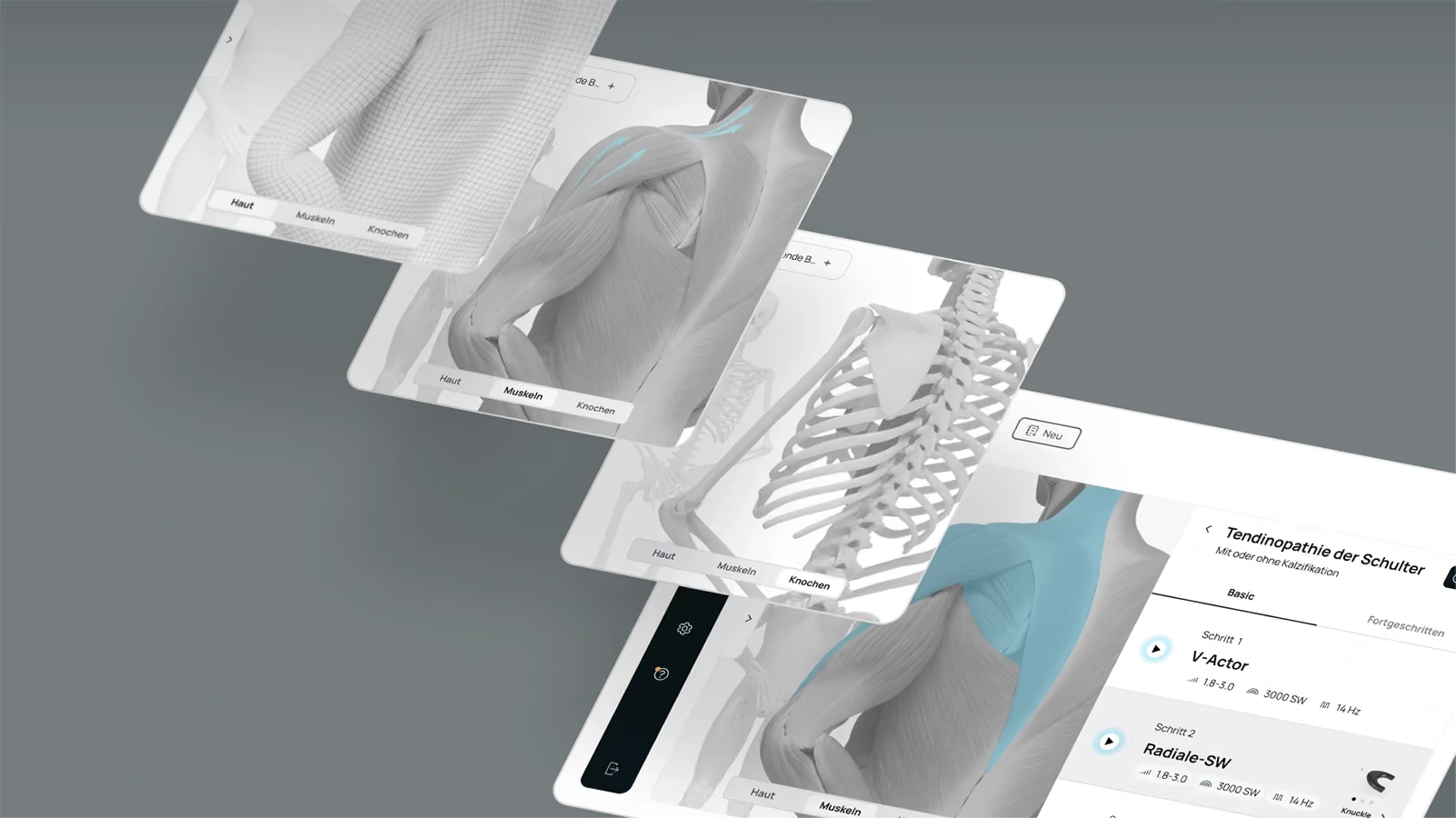
We've shaped award-winning shockwave therapy devices for Storz Medical and a new gynaecological instrument for Aspivix, alongside digital health products and clinical interfaces.
The work covers MDR-compliant industrial design, IEC 62366 usability engineering, and human factors built to hold up under regulatory review.
Yes. This is where we are especially strong.
Many of today's products are connected systems: a device, an app, a dashboard, a service, and the logic that ties them together. We design how product, interface, service, and system logic work as one experience, so it holds up for the people actually using it.
Yes. Most of our clients sit outside Munich, and many outside Europe.
We collaborate in English, are comfortable across timezones, and are used to projects with distributed teams and multiple stakeholders.
We adapt the model to the work, not the other way around.
Some clients bring a defined project and we deliver it end to end. Others embed us as part of their product team for months or years, working on whatever the roadmap needs next. Most engagements sit somewhere on that spectrum, and the right shape usually becomes clear in the first conversation.
UX design is what makes complex systems usable.
For industrial products, medical devices, and connected platforms, good UX reduces errors, shortens training, and keeps people focused on the task instead of the interface. Done well, it becomes invisible.
Better usability, fewer errors, faster adoption.
Designing around the people who actually use a product means decisions get made on evidence rather than assumptions. The result is shorter development cycles, fewer surprises in validation, and products that hold up in the hands of real users.
When the system is hard to learn, errors keep happening, or workflows take longer than they should.
Those are the symptoms. The cause is usually a mismatch between how the interface was designed and how the work actually gets done. A redesign realigns the two.
Yes. Both.
We've shipped first products with founders, and we've held design quality across portfolios for global teams. What matters is the ambition behind the product, not the size of the company behind it.
We start with the problem.
We look at users, context, constraints, and goals first, then define what is actually needed: strategy, UX/UI, industrial design, human factors, or a combination. You do not need a fully written brief before speaking with us.
We integrate three disciplines under one roof: industrial design, digital product design, and brand strategy. That matters when the product, the interface, and the service all need to make sense together, and someone has to hold the whole picture. Two decades of working this way, mostly in healthcare and connected products, have built the muscle for it. We bring the depth of an embedded team with the pace of a specialist agency.
Yes. Most of our clients sit outside Munich, and many outside Europe.We collaborate in English, are comfortable across timezones, and are used to projects with distributed teams and multiple stakeholders.
Yes. Healthcare and medtech are where we've spent most of the last twenty years. We've shaped award-winning shockwave therapy devices for Storz Medical and a new gynaecological instrument for Aspivix, alongside digital health products and clinical interfaces.
The work covers MDR-compliant industrial design, IEC 62366 usability engineering, and human factors built to hold up under regulatory review.
Yes. This is where we are especially strong.
Most products today are connected systems: a device, an app, a dashboard, a service, and the logic that ties them together.
We help design how all of those work as one experience, so it holds up for the people actually using it.
product, interface, service, and system logic work together, so the experience feels seamless for the people using it.
We adapt the model to the work, not the other way around.Some clients bring a defined project and we deliver it end to end. Others embed us as part of their product team for months or years, working on whatever the roadmap needs next. Most engagements sit somewhere on that spectrum, and the right shape usually becomes clear in the first conversation.