

We are FLUID
Wir helfen Ihnen, Ihren zukünftigen Erfolg zu gestalten.
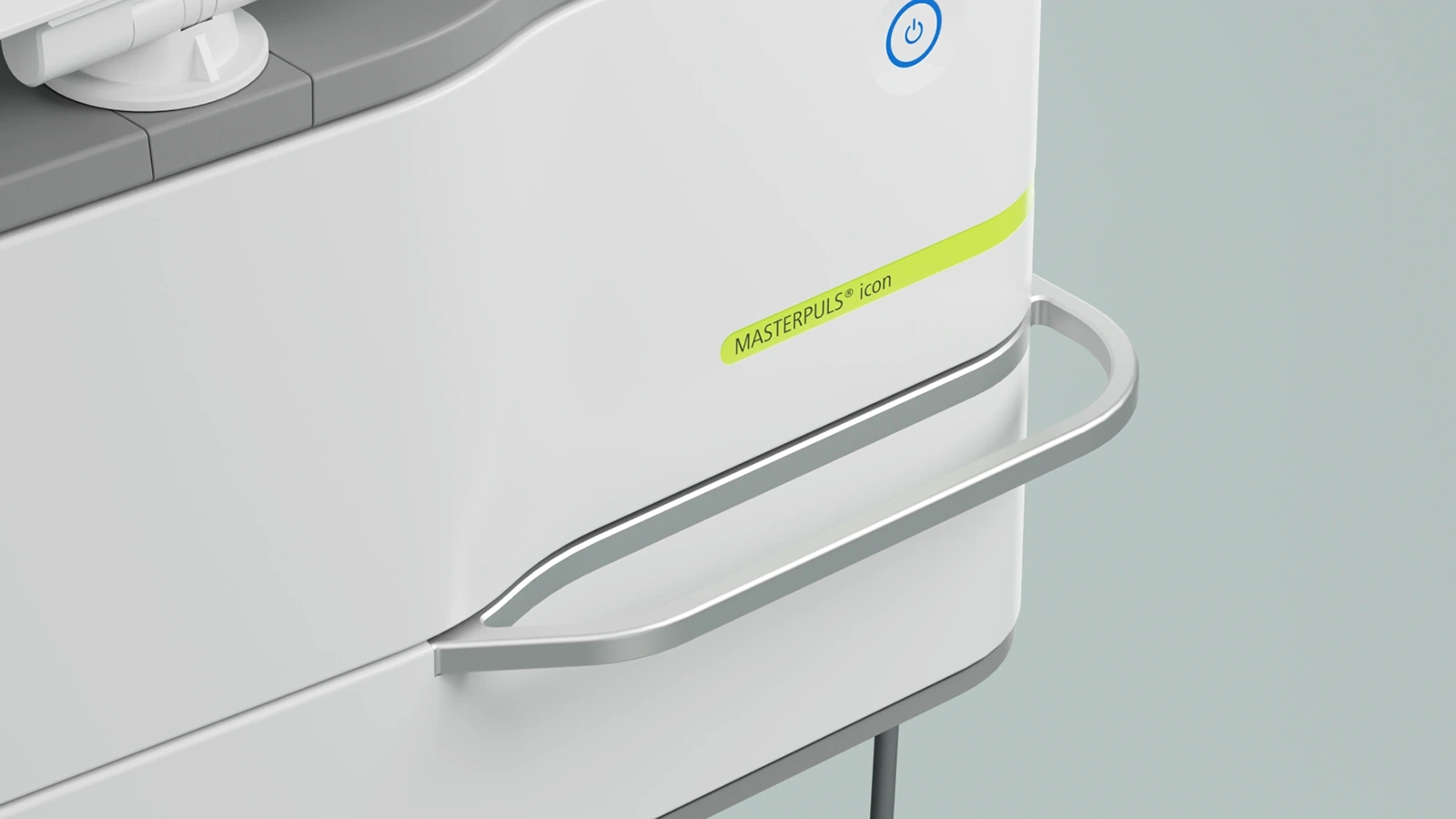
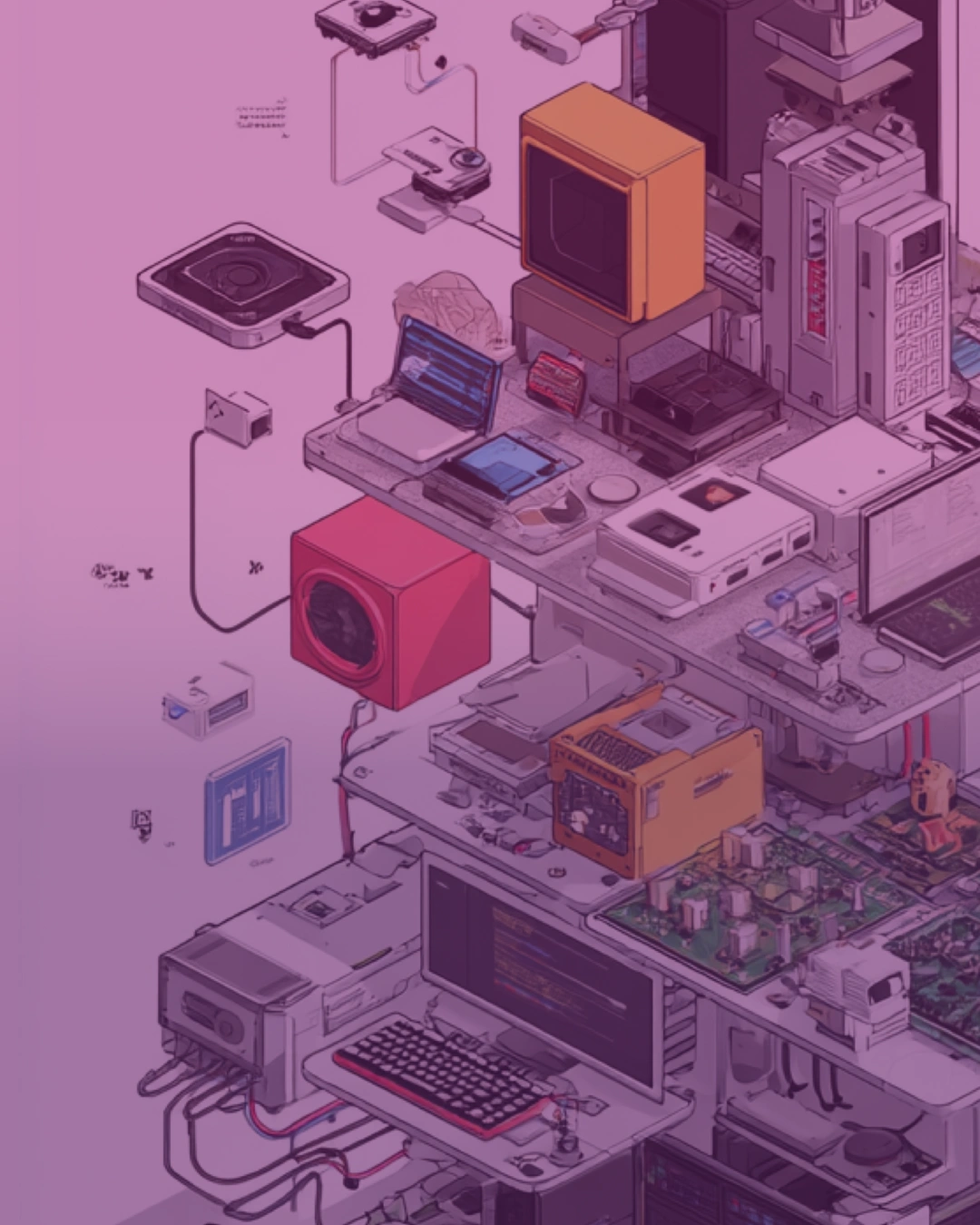
Seit über 15 Jahren gestalten wir digitale Plattform- und physische Produkt Themen, die komplexe Technologie zugänglich machen. Unser Team verbindet strategisches Denken, User Research und exzellente Gestaltung.
Unsere Schwerpunkte:
Health und datengetriebene Plattformen


Unsere aktuellen Arbeiten und Erfahrungen im UX/UI- und Industrie-Design
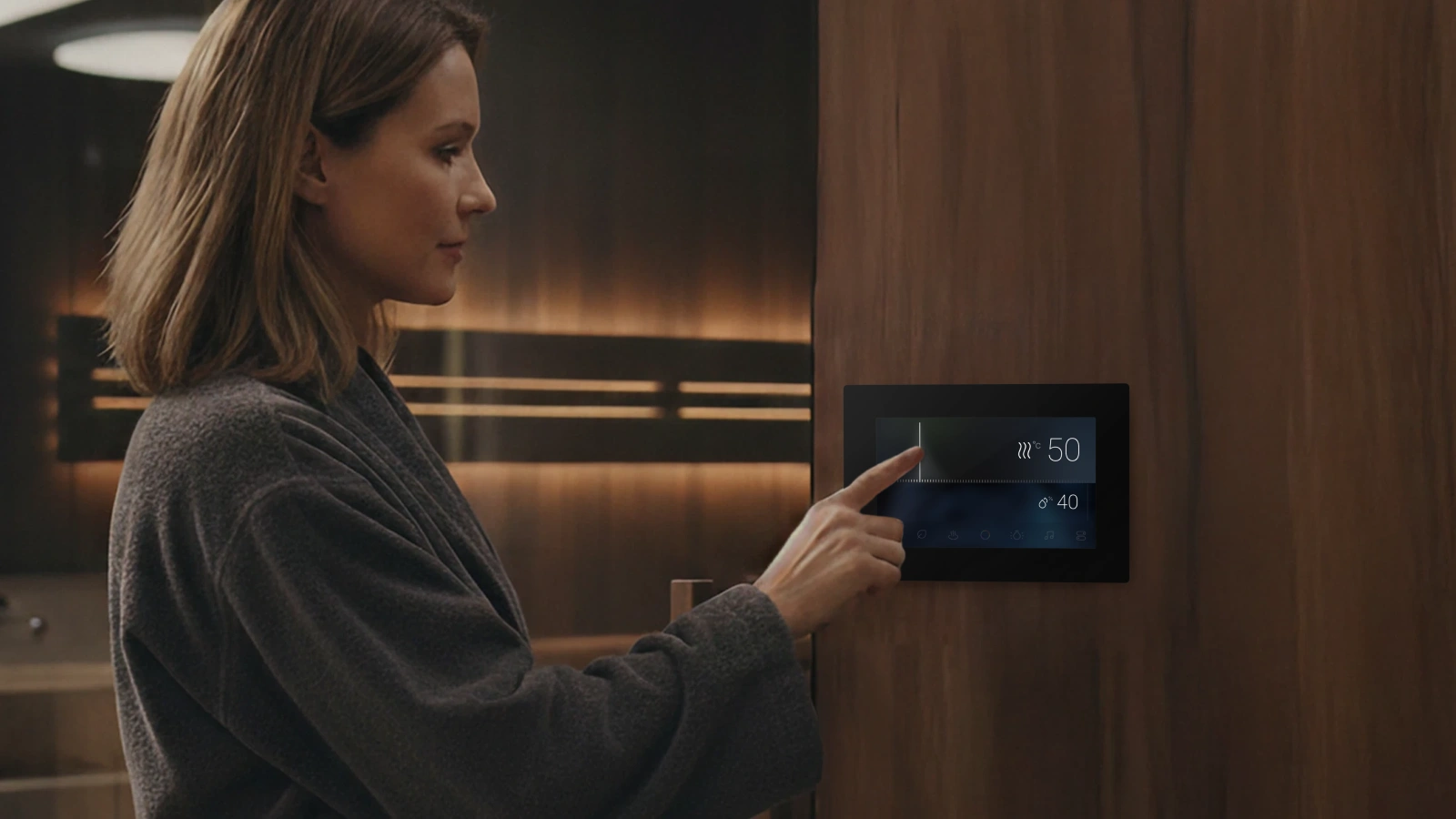


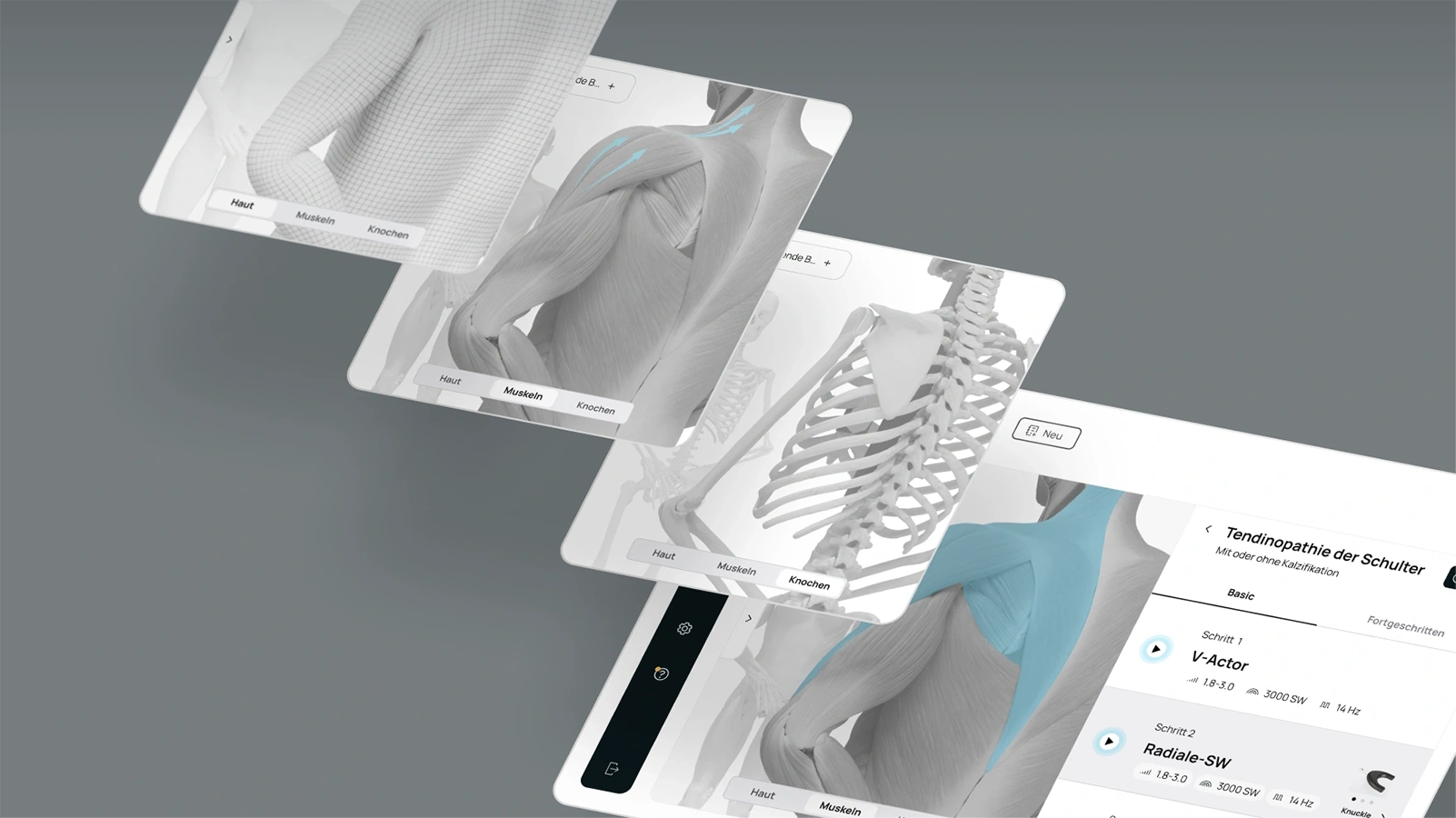


Branchen, für die wir gestalten


Insights, Projekte und Events

From Playground to Impact - FLUID bei der MCBW 2026 in der IHK München

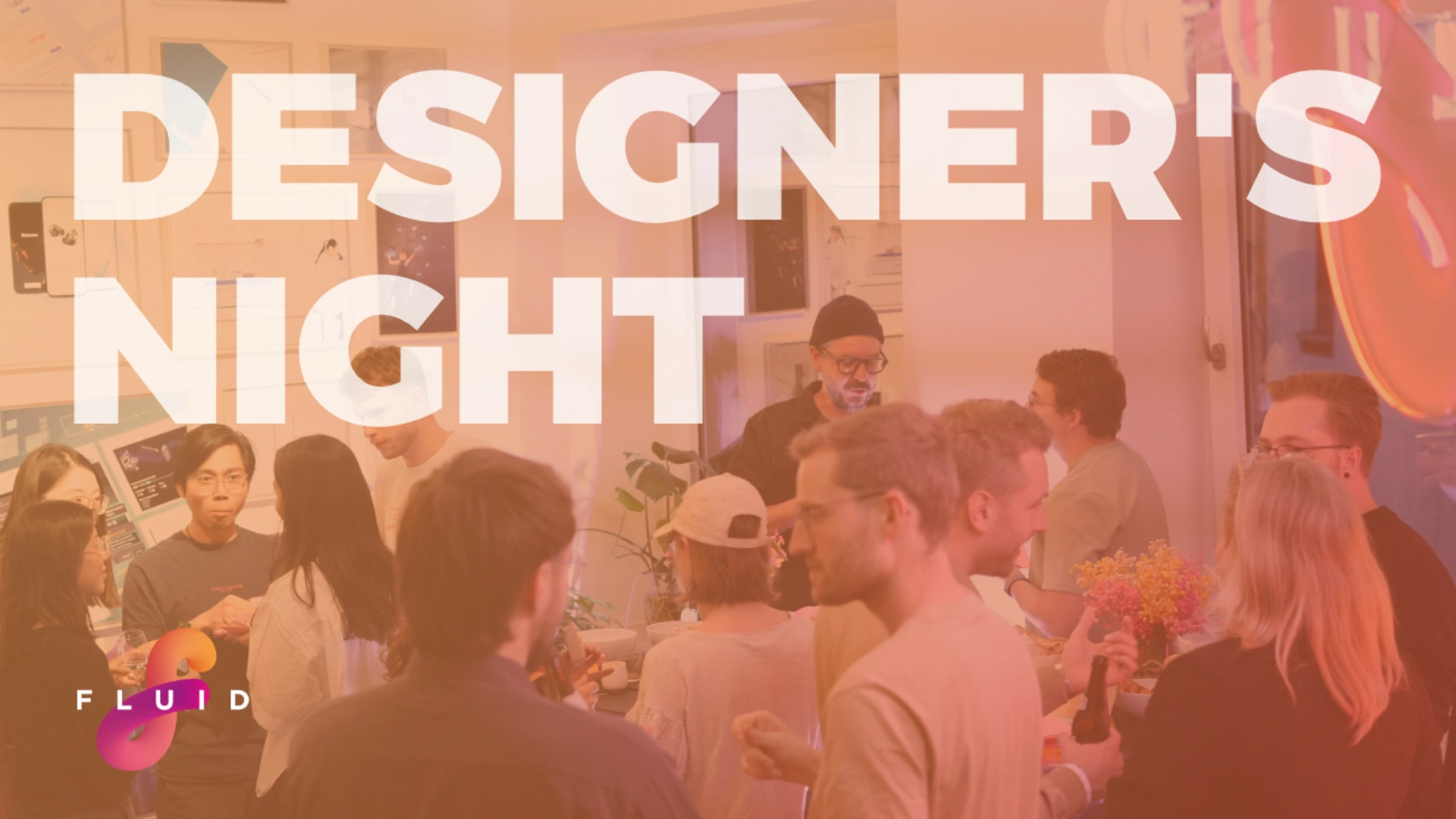
Zwei Tage in Berlin: iF Design Award Night und Trend Conference 2026
Auszeichnungen, die wir gemeinsam feiern



.webp)


Das sagen unsere Kunden
FLUID Design was the right partner to help us design the Siemens Customer Heartbeat experience because they truly understood our vision and translated it into an intuitive, scalable solution.
They brought a deep understanding of user-centred design, challenged our assumptions in the right ways, and helped us create an experience that is not only intuitive and engaging but also grounded in real user needs.
Their strategic mindset, collaborative approach, and dedication to quality made them an exceptional partner from start to finish.

Working with FLUID was a fantastic experience. Together, we reimagined our future charging solutions, and their innovative designs exceeded expectations while perfectly aligning with our vision for the future.

The FLUID team brought our vision for the Pyxa system to life with creativity, patience, and user-centered thinking. Their partnership was critical in helping us translate advanced 3D spatial biology into a beautiful and intuitive tool ready for the lab.

Together with FLUID, we were able to create the best possible user experience for COIN, allowing all different types of users to get information intuitively or handle self-service processes efficiently.

In close collaboration with the design studio FLUID, we developed a distinctive new design line for our haircare products that seamlessly blends aesthetics with functionality. FLUID’s strategic and user-centered approach helped us translate our brand values into a compelling visual identity, resulting in a product line that stands out on the shelf and resonates with our customers.

Customer centricity is for all of us!

Collaborating with FLUID was instrumental in crafting an even more intuitive user interface for the new Barryvox S2. Together, we’ve not only enhanced usability but also heightened the potential to save lives by providing optimal support during the most stressful phase of an avalanche rescue.

Orientierung durch Design
FAQ
Yes. Both.
We've shipped first products with founders, and we've held design quality across portfolios for global teams. What matters is the ambition behind the product, not the size of the company behind it.
We start with the problem.
We look at users, context, constraints, and goals first, then define what is actually needed: strategy, UX/UI, industrial design, human factors, or a combination. You don't need a fully written brief before speaking with us.
We integrate three disciplines under one roof: industrial design, digital product design, and brand strategy. That matters when the product, the interface, and the service all need to make sense together, and someone has to hold the whole picture.
Two decades of working this way, mostly in healthcare and connected products, have built the muscle for it. We bring the depth of an embedded team with the pace of a specialist agency.
Yes. Healthcare and medtech are where we've spent most of the last twenty years.
We've shaped award-winning shockwave therapy devices for Storz Medical and a new gynaecological instrument for Aspivix, alongside digital health products and clinical interfaces.
The work covers MDR-compliant industrial design, IEC 62366 usability engineering, and human factors built to hold up under regulatory review.
Yes. This is where we are especially strong.
Many of today's products are connected systems: a device, an app, a dashboard, a service, and the logic that ties them together. We design how product, interface, service, and system logic work as one experience, so it holds up for the people actually using it.
Yes. Most of our clients sit outside Munich, and many outside Europe.
We collaborate in English, are comfortable across timezones, and are used to projects with distributed teams and multiple stakeholders.
We adapt the model to the work, not the other way around.
Some clients bring a defined project and we deliver it end to end. Others embed us as part of their product team for months or years, working on whatever the roadmap needs next. Most engagements sit somewhere on that spectrum, and the right shape usually becomes clear in the first conversation.
UX design is what makes complex systems usable.
For industrial products, medical devices, and connected platforms, good UX reduces errors, shortens training, and keeps people focused on the task instead of the interface. Done well, it becomes invisible.
Better usability, fewer errors, faster adoption.
Designing around the people who actually use a product means decisions get made on evidence rather than assumptions. The result is shorter development cycles, fewer surprises in validation, and products that hold up in the hands of real users.
When the system is hard to learn, errors keep happening, or workflows take longer than they should.
Those are the symptoms. The cause is usually a mismatch between how the interface was designed and how the work actually gets done. A redesign realigns the two.
Yes. Both.
We've shipped first products with founders, and we've held design quality across portfolios for global teams. What matters is the ambition behind the product, not the size of the company behind it.
We start with the problem.
We look at users, context, constraints, and goals first, then define what is actually needed: strategy, UX/UI, industrial design, human factors, or a combination. You do not need a fully written brief before speaking with us.
We integrate three disciplines under one roof: industrial design, digital product design, and brand strategy. That matters when the product, the interface, and the service all need to make sense together, and someone has to hold the whole picture. Two decades of working this way, mostly in healthcare and connected products, have built the muscle for it. We bring the depth of an embedded team with the pace of a specialist agency.
Yes. Most of our clients sit outside Munich, and many outside Europe.We collaborate in English, are comfortable across timezones, and are used to projects with distributed teams and multiple stakeholders.
Ja. Im Gesundheitswesen und in der Medizintechnik haben wir die meiste Zeit der letzten zwanzig Jahre verbracht. Wir haben preisgekrönte Stoßwellentherapiegeräte für Storz Medical und ein neues gynäkologisches Instrument für Aspivix entwickelt, zusammen mit digitalen Gesundheitsprodukten und klinischen Schnittstellen.
Die Arbeit umfasst MDR-konformes Industriedesign, IEC 62366 Usability Engineering und Human Factors, die einer behördlichen Prüfung standhalten.
Ja. Hier sind wir besonders stark.
Die meisten Produkte sind heute vernetzte Systeme: ein Gerät, eine App, ein Dashboard, ein Dienst und die Logik, die sie miteinander verbindet.
Wir helfen dabei, zu gestalten, wie all diese Elemente als eine einzige Erfahrung funktionieren, damit sie für die Menschen, die sie tatsächlich nutzen, Bestand hat.
Produkt, Schnittstelle, Dienst und Systemlogik arbeiten zusammen, damit die Erfahrung für die Nutzer nahtlos ist.
Wir passen das Modell an die Arbeit an, nicht umgekehrt. Manche Kunden bringen ein klar definiertes Projekt mit, das wir von A bis Z umsetzen. Andere binden uns für Monate oder Jahre als Teil ihres Produktteams ein und wir arbeiten an dem, was die Roadmap als Nächstes erfordert. Die meisten Zusammenarbeiten liegen irgendwo auf diesem Spektrum, und die passende Form wird meistens im ersten Gespräch klar.
Melde Dich zu unserem Newsletter an!

Urheberrecht © FLUID Design GmbH — Alle Rechte vorbehalten.